Raleigh Historic Home Inspection Issues Sellers Should Expect
August 13, 2026
August 13, 2026
Would you rather find out your 1920s bungalow has a cracked sewer lateral before you list it, or after a buyer's inspector finds it during due diligence?
Most sellers in Raleigh's inside-the-beltline neighborhoods never get asked that question directly, so they never think about the answer. They think about the porch, the heart pine floors, the four-square silhouette that made the offer come in fast. The systems hiding behind the plaster get a passing mention, if that. But in a Raleigh market where buyers have more room to negotiate than they did three years ago, when a hidden defect surfaces changes what it costs you more than whether it exists at all.
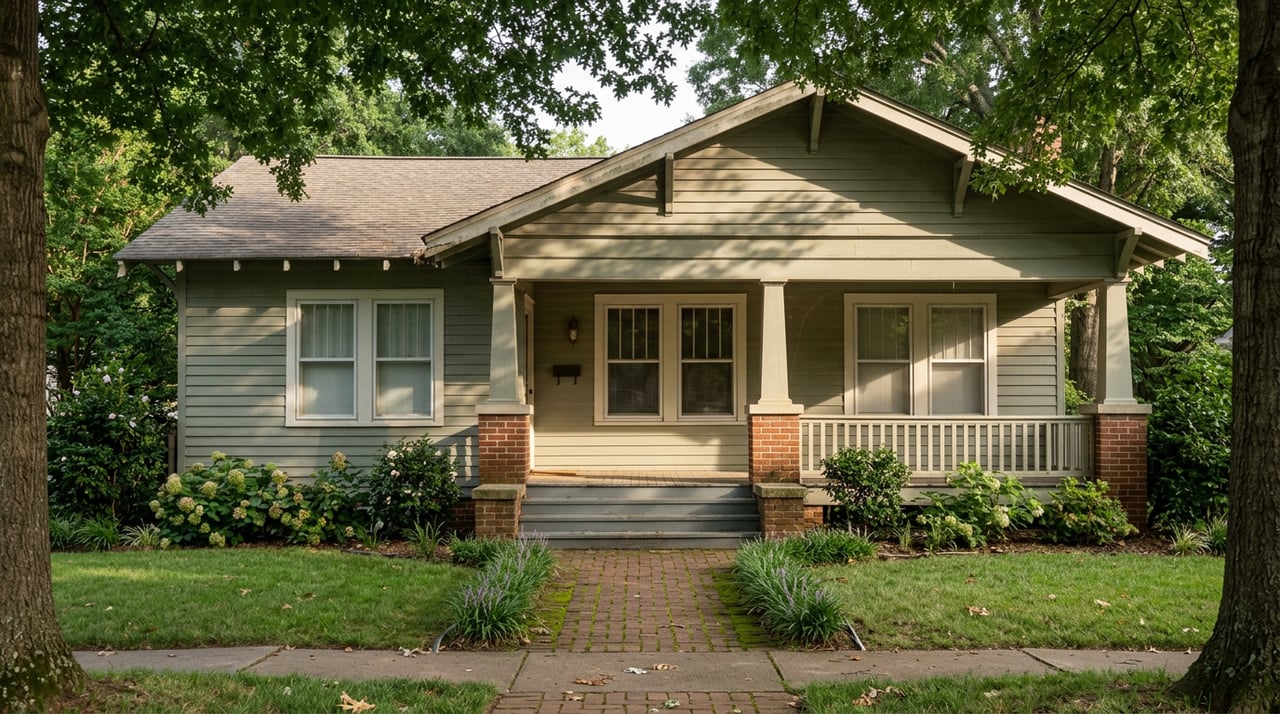
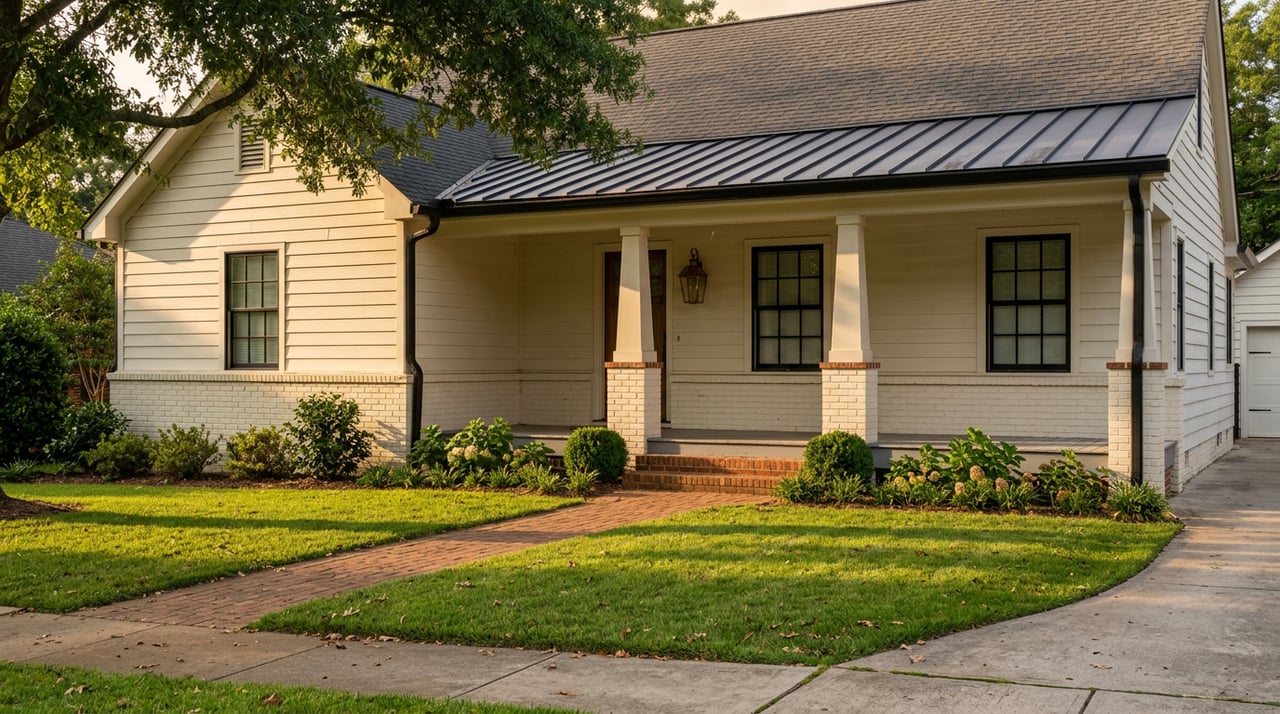
Walk a listing in Hayes Barton, Vanguard Park, Bloomsbury, Georgetown, or Roanoke Park, the five neighborhoods that make up what Raleigh calls Five Points, and you're seeing houses platted in the 1910s and 1920s during the city's second wave of streetcar-suburb development. Historic Oakwood tells a similar story a decade or two earlier, with Victorian-era homes dating back to the 1870s. Boylan Heights, laid out as one of Raleigh's first planned neighborhoods in the early 1900s, and Mordecai, home to some of the oldest houses in the city, round out the cluster of neighborhoods where charm and construction age arrive as a package deal.
The buyer standing in the foyer is having one conversation: does this house feel like the ones on the Candlelight Tour brochure. The house itself is having a different one, in whatever's running through its walls and under its yard, and that conversation doesn't show up on a walkthrough. It shows up on an inspection report, usually after the offer is signed and the due diligence clock has already started.
Four systems account for most of what surprises sellers in this housing stock. None of them are visible from the street, and none of them announce themselves until someone goes looking.
| System | Typical era in these neighborhoods | What's actually happening | What it means if it surfaces during due diligence |
|---|---|---|---|
| Sewer lateral | Pre-1970 clay tile or cast iron | Raleigh's clay soil and root systems from mature oaks put steady pressure on old pipe joints | Repair or replacement is the seller's financial responsibility, not the city's |
| Plumbing supply lines | Late 1970s through mid-1990s, polybutylene | The material degrades from the inside and can't be confirmed by looking at it | Must be flagged on the disclosure even if the seller believes the home was re-plumbed |
| Electrical panel | 1950s into the early 1980s, commonly Federal Pacific or Zinsco brands | Breakers in these panels are documented to fail to trip reliably during an overload | A buyer's insurance carrier may decline coverage or require replacement before binding a policy |
| Wiring | Pre-1950s knob and tube | Ungrounded, and insulation breaks down with age | FHA and VA loans can require replacement before the loan will close |
Every one of these is common enough in Five Points, Oakwood, Boylan Heights, and Mordecai that a home inspector working this part of the city sees them regularly, not as exceptions.
Raleigh Water is direct about where responsibility sits: the city maintains the sewer main in the street, but a blocked or broken line between the house and that main is the property owner's problem to fix, not the city's. That distinction matters most in neighborhoods where a mature canopy of oaks has had a century or more to grow root systems around a clay-tile or cast-iron lateral. Plumbers who work this part of town recommend keeping trees at least 20 feet from a sewer lateral for exactly this reason, a guideline that's easy to follow on a new lot and nearly impossible to retrofit onto a lot that's had the same oak in the same spot since the Coolidge administration.
None of this means every old Raleigh sewer line is failing. It means the ones that are tend to fail quietly, with slow drains and occasional backups, right up until a camera inspection during a sale puts a number on the repair.
North Carolina's Residential Property and Owners' Association Disclosure Statement asks sellers to report what they know, not what a professional would find if they went looking. That known-defects standard sounds like it should make things simple. It doesn't, because of how the polybutylene question is worded.
A seller who believes their home was fully re-plumbed still can't check "No" on the polybutylene question with full confidence, because there's no way to visually confirm what's inside a wall without opening it. The honest answer in that situation is "No Representation," not "No," and the difference matters because checking the wrong box on a form filed under penalty of law is its own kind of exposure, separate from whatever the pipe itself might cost to replace.
The same logic extends to electrical panels and wiring. Sellers aren't required to hire an inspector before listing. They're required to disclose what they actually know. That's a lower bar than most buyers assume, and it's exactly why the panel or the pipe so often gets discovered for the first time during someone else's inspection, at a point in the deal where it stops being a disclosure question and starts being a negotiation.
Here's the part that doesn't show up in most guides to old-home ownership: in North Carolina, the due diligence fee a buyer pays is non-refundable and goes to the seller regardless of what the inspection finds. That fee is meant to compensate a seller for taking the home off the market while the buyer investigates. It also does something less obvious. It gives the buyer a financial reason to stay in the deal and renegotiate rather than walk away, because walking means forfeiting money they've already spent.
That changes the leverage on both sides of the table depending on when a defect gets found. A seller who prices a home with an unresolved sewer lateral or an old panel already reflected in the number is negotiating from a position of clarity. A seller who lists without addressing it and waits to see what the inspector finds is negotiating after the buyer has already paid to be there, which tends to produce a request for a credit, not a walk.
Across the three months ending in May 2026, Raleigh's median sale price sat at roughly $425,000, with typical homes going under contract in about a month rather than the multiple-offer sprints of a few years ago. Inventory is up compared to the tightest stretch of the past several years, and buyers who have more homes to choose from are less likely to absorb a surprise repair without asking for something back. In that kind of market, the seller who already knows what's in the walls has more room to negotiate than the one who's finding out for the first time alongside the buyer.
The defect rarely kills the deal. What it changes is who's holding the leverage when the number gets negotiated, and that's decided well before the inspector ever shows up.
If your home sits in Five Points, Oakwood, Boylan Heights, or Mordecai, three things are worth doing before a buyer's inspection period starts, not during it.
Get a camera scope of the sewer lateral, particularly if there are mature trees anywhere near the line's path. A repair quoted on your terms, before a contract is signed, is a different financial conversation than the same repair quoted during someone else's due diligence window.
Know what's in your electrical panel. If it's a Federal Pacific or Zinsco unit, understand that a buyer's insurance underwriting, not a code inspector, is often what forces the issue, and it's worth knowing that before it shows up as a surprise at the appraisal stage.
Fill out the disclosure form with a professional who can walk through what "No Representation" actually means, particularly on the plumbing material question. Getting that box right protects you well past closing day.
If your home is in one of the local historic districts, like Oakwood or Boylan Heights, keep in mind that any exterior changes visible from the street go through the Raleigh Historic Districts Commission's design review, which is a separate process from a system repair but worth planning around if the two overlap.
Do I have to replace an old electrical panel before I sell? Not legally, in most cases. Federal Pacific and Zinsco panels aren't code violations on their own. What forces the issue is usually the buyer's homeowners insurance underwriting, which frequently declines or requires replacement before a policy will bind, which can hold up a closing if it isn't addressed early.
Does having polybutylene plumbing kill a sale in North Carolina? It doesn't have to. Plenty of buyers move forward once they understand what they're working with. What it requires is accurate disclosure, since the material's presence has to be reported even when a seller believes the home was re-plumbed, and honest conversation about how it factors into the offer.
Who pays if a sewer line problem turns up during a sale? Whoever owns the home when it's found, which is why timing matters. Raleigh Water maintains the main in the street, but the lateral connecting the house to that main is the property owner's responsibility, so a scope done before listing puts the seller in control of that cost rather than negotiating it under pressure.
Old homes in these neighborhoods aren't a liability. They're a known set of systems with a known set of ages, and the sellers who do best are the ones who treat the plumbing, wiring, and sewer line with the same attention they give the front porch. If you're weighing a sale in Five Points, Oakwood, Boylan Heights, Mordecai, or anywhere else in Raleigh's older housing stock, Sold By Starkey can walk you through what a pre-listing inspection actually turns up before a buyer's does. Get Your Free Home Value and let's talk about what's really behind your walls.
Stay up to date on the latest real estate trends.


The Sold by Starkey team knows how to navigate the Triangle area real estate market like no other. We have firsthand, local expertise on how and where to find the best available homes—which may be why our listings only spend an average of nine days on the market, a statistic well below the Triangle average.