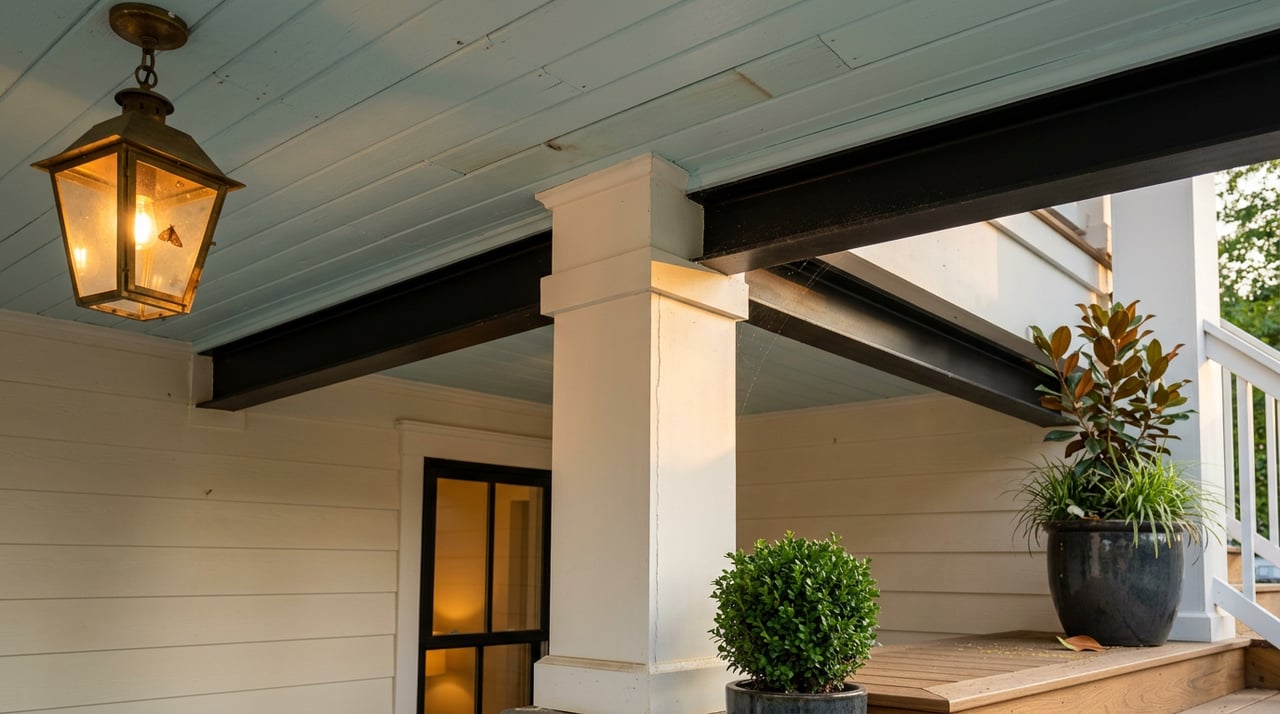
What’s Driving the Fuquay-Varina Housing Market Shift?
August 6, 2026
August 6, 2026
A seller we spoke with this spring listed a well-kept 2019 build off Judd Parkway at what three separate CMAs called the right number. Thirty-eight days later, no offers. Two price cuts later, still nothing. Nothing was wrong with the house. Something was wrong with the comp set.
The comps weren't lying. They were incomplete. Fuquay-Varina's median sale price has softened, and every portal will tell you that in a sentence. What no portal tells you is why, and the why changes how you should price, negotiate, and shop in this town for the rest of 2026.
Start with the raw data. As of the most recent Orchard 30-day snapshot, the Fuquay-Varina median sale price sat at $424,400, down 5.3% year over year, with median days on market at 34, up from roughly five days a year prior. Redfin's June reading put the median closer to $435K, down about 12% year over year, with typical time on market around 49 days. Zillow's ZHVI reads $435,307, down 4.4% over twelve months.
Those are all pointing in the same direction, but here is the number that tells the actual story: the median sale-to-list-price ratio was 97.87%, down 3.6 points compared to the same period last year, and 42.55% of homes listed dropped in price, up 37.7 points from last year. Roughly two out of every five active listings in Fuquay-Varina are cutting price. That is not a market where sellers are pricing correctly and waiting patiently. That is a market where the initial ask is being contradicted by the buyer response, and the contradiction is systematic.
Here is the mechanism most sellers miss. Fuquay-Varina has quietly become one of the Triangle's most active new-construction markets, and the resale listing you just put up is not competing against other resale homes. It's competing against a builder's quarterly sales quota.
There are 25 new home communities in Fuquay-Varina, with 6 townhouse communities and 22 single-family home communities, 77 quick move-in homes for sale, and the most active developer is D.R. Horton. Homes.com counts 15 active builders in town. The named community list is long and current: Serenity with the David Weekley Cottage Collection, Atwater Station's Village Collection by Baker Residential, Longleaf Meadow by Toll Brothers, The Towns at North Lakes at South Lakes, Eagle Creek, Madden West, Clarabella, Kensley Grove, Midtown Rows, The Preserve at Kipling Creek, and Del Webb's Carolina Gardens for the 55-plus buyer. New Home Inc. is opening Ballard Woods on US-401 with signature homes from 1,800 to 3,200-plus square feet on half-acre lots.
Look at what a buyer actually sees when they walk both doors on the same Saturday:
| What the buyer weighs | Typical Resale, 2018-2022 build | Quick Move-In From A Builder |
|---|---|---|
| Sticker price | Priced to recent closed comps | Often priced at or slightly above resale |
| Interest rate | Market rate on buyer's own loan | Builder-arranged buydown, often 1-2 points below market |
| Closing costs | Buyer pays, or seller concedes | Frequently paid by builder as an incentive |
| Design choices | What the last owner picked | Buyer selects finishes or takes fresh ones |
| Warranty | Whatever's left, if any | 1 year workmanship, 2 years systems, 10 years structural |
| Move-in timing | 30-45 days | 30-60 days on inventory homes |
The sticker prices look comparable. The out-of-pocket cost of ownership doesn't.
Builder incentives in this market right now are aggressive, and they compound. In a typical stack we're seeing on Fuquay-Varina inventory homes this summer:
Stack those and a builder can effectively knock $30,000 to $50,000 off the true cost of a home without ever cutting the list price. The MLS records the sale at close to list. The comp looks strong. The resale seller down the street reads that comp and prices accordingly, then discovers their listing has no equivalent lever to pull.
That is why the median can drift down while the sale-to-list ratio drops and days on market stretches. Builders hold list price and give value through financing. Resale sellers hold list price and give nothing, until eventually they cut. The 42.55% price-drop rate is the mechanical consequence.
If you are shopping Fuquay-Varina in the back half of 2026, the practical takeaway is that your negotiating leverage lives in different places depending on which side of the market you're on.
On new construction, the list price is close to a ceiling. Ask the sales rep to detail every incentive currently offered, then ask what's available on standing inventory that has been sitting more than 60 days. Builders track quarterly closings hard, and homes finished before a quarter ends often carry stacked concessions the model-home tour won't advertise. The trade-off is that builder contracts protect the builder. Timeline contingencies, upgrade allowances, warranty definitions, and inspection rights all read differently than a standard resale purchase agreement, which is why we recommend a review before earnest money changes hands, not after.
On resale, the leverage is inverted. A two-year-old home from a reputable builder that has already had the fence, the irrigation, the screened porch, and the window treatments added is often the better economic buy at today's prices, because the seller cannot compete with a builder on rate incentives and knows it. Southern Wake corridors near the Holly Springs line, the older sections of South Lakes, and established streets around downtown Fuquay and downtown Varina are where resale sellers are most exposed to builder pressure and most likely to negotiate on price, credits, or repair items an inspection surfaces.
If you own a Fuquay-Varina home built in the last decade, the mistake we see most often is pricing to closed comps without adjusting for the incentive gap. Your neighbor's home that closed at $475,000 in April may have closed with $18,000 in builder-paid closing costs and a two-year rate buydown baked in. Yours will not. Pricing to that number without offering a credit of your own puts you into the price-cut cohort within 30 days.
The sellers moving fastest in this market are doing two things. They're pricing five to ten thousand under the last strong comp from the start, and they're offering a specific closing-cost credit in the MLS remarks that a buyer's lender can convert into a rate buydown. That structure matches the builder offer without discounting the home visually. Homes that don't do this are the ones on the market 50-plus days.
Does this mean Fuquay-Varina is a bad buy?
The opposite. Fuquay-Varina offers a southern Wake County location, strong schools, growing downtown, and a market that still has room without the premium pricing of Apex, Cary, or Holly Springs. Softer prices and stronger incentives are what buyer's markets look like from the inside.
Is the softness a sign of long-term decline?
Not from what the migration and construction pipeline show. New Home Inc., Toll Brothers, D.R. Horton, Del Webb, and David Weekley don't open communities in shrinking markets. The current price movement is a supply-side event, not a demand-side one.
Should I wait for prices to fall further?
Rate is the bigger lever than price. A one-point buydown on a $450,000 loan saves more over five years than another 3% off the sticker. If a builder is offering that today and a resale seller is offering a comparable credit, waiting mostly costs you the incentive rather than saving you the price.
Whether you're weighing a resale home against three quick move-ins down the road, or you're a seller trying to price against comps that hide their true concessions, this market rewards specificity. Sold By Starkey reads every active builder incentive in Fuquay-Varina weekly and translates it into what your listing or offer should actually look like. When you're ready to see what your home is worth against today's real competition, Get Your Free Home Value and we'll walk through the numbers together.
Stay up to date on the latest real estate trends.
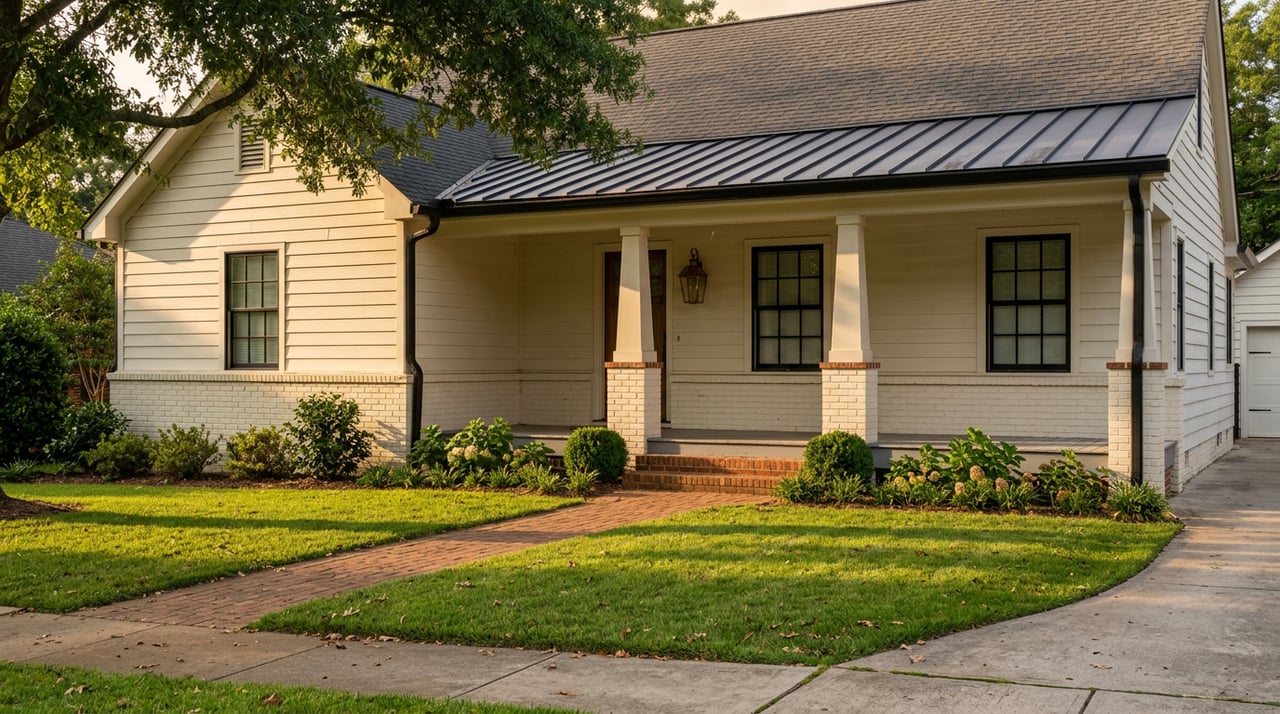
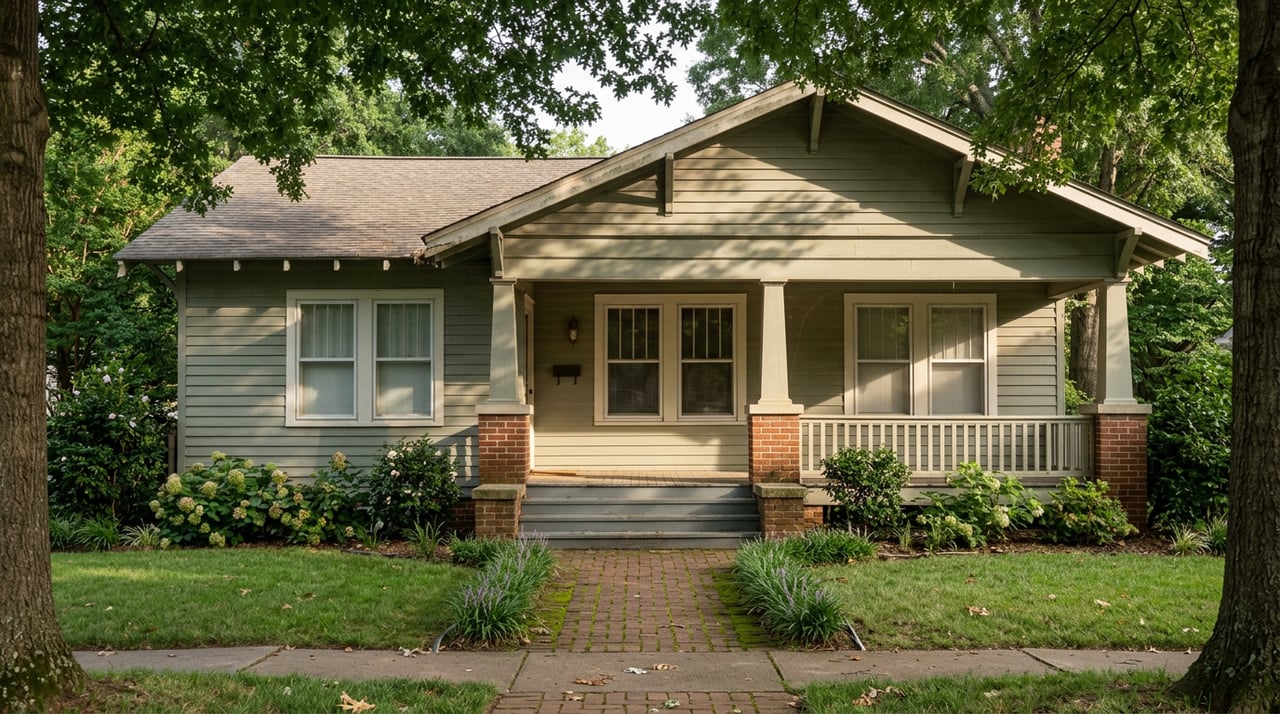
The Sold by Starkey team knows how to navigate the Triangle area real estate market like no other. We have firsthand, local expertise on how and where to find the best available homes—which may be why our listings only spend an average of nine days on the market, a statistic well below the Triangle average.