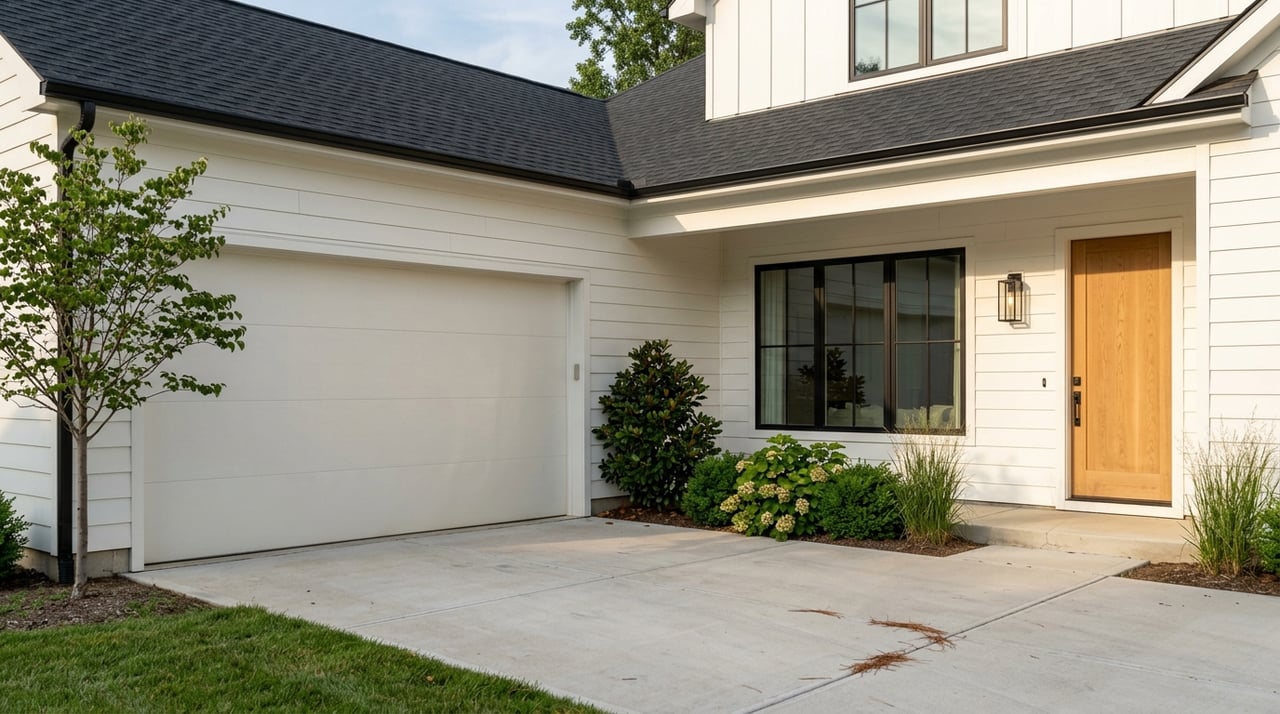
Raleigh vs Cary, Apex & Holly Springs: Find Your Fit
April 23, 2026
April 23, 2026
Wondering whether Raleigh or the suburbs is the better fit for your next move in Wake County? It is a common question, especially when you want the right balance of home price, commute, lifestyle, and long-term comfort. The good news is that there is no one-size-fits-all answer, and that is exactly why a side-by-side look can help you choose with confidence. Let’s dive in.
When you compare Raleigh, Cary, Apex, Holly Springs, and Fuquay-Varina, it helps to focus on the factors that shape daily life the most. In many cases, the biggest differences are not just about city versus suburb. They come down to how much space you want, how much time you are willing to spend commuting, and what type of housing and amenities matter most to you.
According to Wake County tax data, municipal tax-rate differences across these towns are fairly small compared with the impact of your purchase price and commute pattern. For many buyers, that means the smarter question is not simply, "Which tax rate is lowest?" but rather, "Which location gives me the best overall fit for my budget and routine?" (Wake County tax rates).
Home price is often the first thing buyers look at, but it should not be the only number on your list. Purchase price, property taxes, and your likely monthly payment all work together.
The research points to a clear pattern: Raleigh is usually the lower-priced urban option, while Cary and Apex tend to be the highest-priced suburban markets. Holly Springs and Fuquay-Varina can appear more affordable on some official median-value measures, though tax-assessed values there are still significant.
The 2025 Wake County countywide property tax rate is $0.5171 per $100 of assessed value. On top of that, homeowners pay a municipal rate if they live inside town or city limits. Based on current published rates, combined county-plus-city rates are about:
On a $500,000 assessed value, the municipal difference between Cary and Fuquay-Varina is only about $90 per year before any special district charges. Some Raleigh properties can also fall within special tax districts, including the downtown Municipal Service District and the Hillsborough Street district, so exact costs depend on the property address. You can review those published rates in the Wake County tax rate schedule.
The larger financial difference is usually home price, not taxes. Official local sources show:
If you are choosing between Raleigh and a suburb, the financial trade-off often looks like this: Raleigh may offer a lower entry point, while some suburban areas may offer more square footage or lot size depending on your budget and search criteria.
A home can check every box on paper, but if the daily drive wears you down, it may not feel like the right fit for long. Commute time is one of the biggest practical differences across Wake County.
Census QuickFacts data shows the following mean travel times to work:
This suggests a simple trend: the farther south you go in Wake County, the longer the average commute tends to be. You can compare those figures through the U.S. Census QuickFacts data.
If access matters, each area brings a different mix of options.
Raleigh has the most urban-style transit infrastructure, including GoRaleigh bus service, the downtown R-Line, and Raleigh Union Station. If you want local transit and a central location, Raleigh stands out.
Cary offers GoCary fixed-route and door-to-door service, including a Downtown Loop and connections through GoTriangle. It is a strong option if you want suburban living with practical regional mobility.
Apex continues to expand transit, with GoApex Route 1 and regional connections. The town also says RDU is about 15 minutes away via I-540, which may appeal to frequent travelers and professionals with regional commutes.
Holly Springs offers GoTriangle peak-hour bus service to downtown Raleigh, and the town says it is about a 30-minute drive to RTP and RDU. The Holly Springs Hopper microtransit service is also launching in early 2026.
Fuquay-Varina has MicroLink on-demand service and connections toward downtown Raleigh, but it remains more car-oriented overall. That may be perfectly fine if you value space and do not mind more drive time.
Once you narrow your budget and commute comfort level, lifestyle becomes the tie-breaker. This is where Raleigh and the suburbs can feel very different.
Raleigh is a strong fit if you want a broader mix of housing types and easier access to city amenities. The city has allowed more housing types since 2020, including duplexes, accessory dwelling units, cottage courts, townhomes, and small apartments in more locations. That flexibility can create more options depending on your goals and price point.
Raleigh also reported that 84 percent of residents rated overall quality of life as excellent or good in a 2025 community survey, with parks and recreation ranking highly. You can learn more about the city’s housing approach on the Raleigh housing types page.
Cary is often appealing if you want a mature suburban setting with strong amenities and a relatively short average commute. The town says it has more than 100 miles of greenways connecting parks and facilities, which is a major quality-of-life benefit for many buyers.
Cary also has the lowest municipal tax rate among the locations compared here. If you are looking for suburban convenience, established amenities, and broad appeal, Cary is often one of the most balanced options in Wake County.
Apex can be a great choice if you want suburban living with solid access to RTP, RDU, Cary, and Raleigh. Its mean commute is still relatively close to Cary and Raleigh, and the town’s transportation network continues to grow.
For buyers who want a suburban home base without feeling too far removed from employment centers, Apex often lands in a practical middle ground. It also benefits from regional transportation connections and a strong location within western Wake County.
Holly Springs stands out if your wish list includes parks, open space, and a town that emphasizes recreation and community amenities. In the town’s 2025 community survey, 95 percent of respondents said Holly Springs is an excellent or good place to live, and 84 percent rated parks and greenways highly.
The town also cites more than 300 acres of open parkland, 12.8 miles of greenways, a 54-acre lake, a cultural center, and Ting Stadium. If you are comfortable with a longer average commute than Cary, Apex, or Raleigh, Holly Springs may offer the lifestyle mix you want.
Fuquay-Varina often appeals to buyers who want more room and are willing to trade additional commute time for that value equation. The town’s demographics page shows a 2024 population estimate of 46,617 and a median age of 36.3, reflecting a growing community with a relatively young profile.
It is also a more car-oriented suburban environment, which can be a plus or a minus depending on your routine. If your top priorities are space, a newer-growth feel, and flexibility in your home search, Fuquay-Varina deserves a close look.
If public schools are part of your decision, it helps to keep the conversation focused on facts. Cary, Apex, Holly Springs, and Fuquay-Varina all identify the Wake County Public School System as the public-school provider on their official pages.
That means city boundaries alone do not tell the full story. In practice, school considerations are more about address-specific assignments, magnet options, and program fit than simply choosing one town over another. If this is important in your move, it is smart to review each specific address carefully as you narrow your options.
If you are still weighing Raleigh versus the suburbs, this quick guide can help:
The best home base is the one that matches your day-to-day life, not just the one that looks good in a quick online search.
Choosing between Raleigh and the suburbs is really about choosing the lifestyle you want to live every day. For some buyers, that means shorter drives and more urban convenience. For others, it means greenways, extra space, or a suburban setting that feels like the right fit for this stage of life.
If you want help narrowing your options across Cary, Apex, Holly Springs, Fuquay-Varina, or Raleigh, working with a team that knows the local differences can save you time and stress. When you are ready to compare neighborhoods, commute trade-offs, and home values with a local perspective, connect with Amanda Starkey.
Stay up to date on the latest real estate trends.
The Sold by Starkey team knows how to navigate the Triangle area real estate market like no other. We have firsthand, local expertise on how and where to find the best available homes—which may be why our listings only spend an average of nine days on the market, a statistic well below the Triangle average.