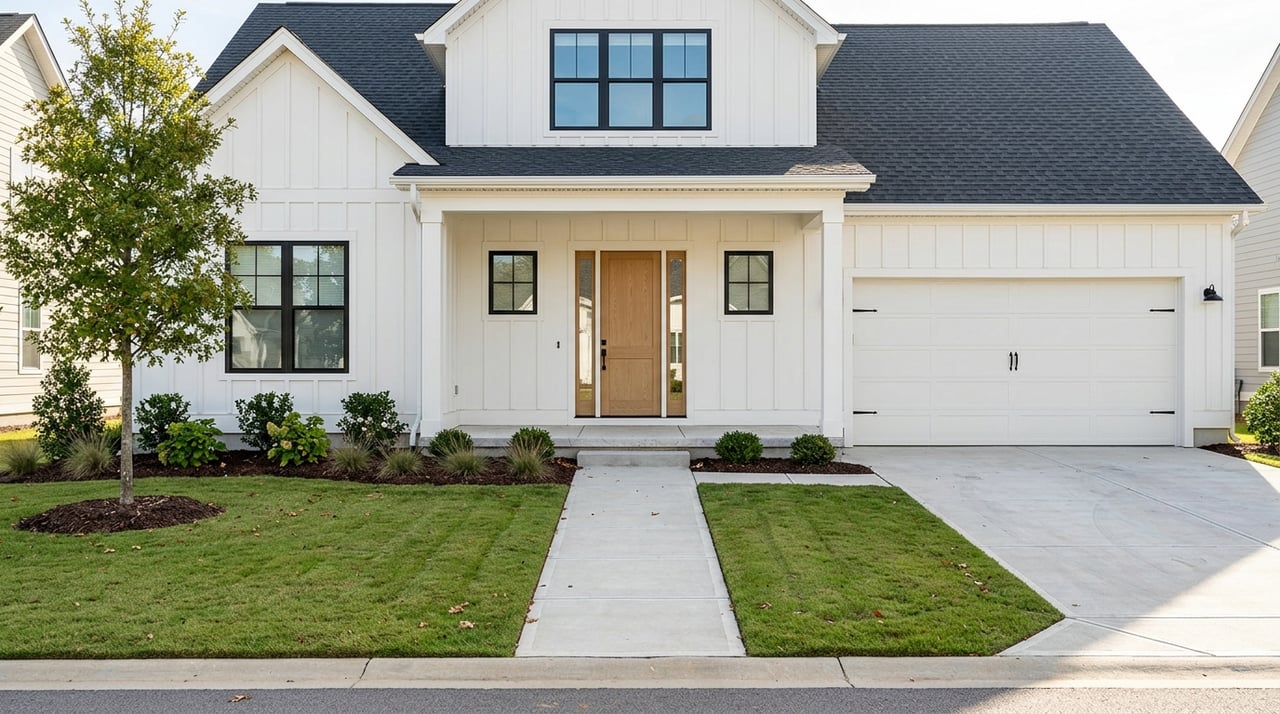
How to Sell a Home Fast in Cary: Timeline and Tips
June 4, 2026
June 4, 2026
Selling your Cary home can feel like trying to hit a moving target. You want to list at the right time, avoid last-minute surprises, and keep your next move on track. The good news is that the process is easier to plan when you break it into stages and understand what usually drives the timeline. Let’s dive in.
In Cary, the market has been moving at a healthy pace. As of March and April 2026, local market data showed median days on market around 31 to 32 days, with homes often going pending in about 23 days and selling close to list price.
That does not mean every home sells overnight. For most sellers, a practical planning range is about 6 to 12 weeks from serious prep to closing, with two main phases shaping the calendar: pre-listing preparation and the contract-to-close period.
For many sellers, this is the most variable part of the process. If your home is already in great condition, this phase may take about a week. If you need repairs, contractor scheduling, or permit research, it can take several weeks.
A realistic planning window for pre-listing prep is often 1 to 4 weeks. This is the time to get your home ready for photos, showings, and buyer questions before your listing goes live.
Before your home hits the market, it helps to focus on the items that most often affect timing and buyer confidence:
North Carolina guidance also makes this stage especially important for disclosures. Known latent defects and unpermitted changes are material facts that need to be disclosed, so it is smart to collect documentation early rather than scramble for it after a buyer asks.
The fastest launch is usually the one that is planned well. When your home is ready before photos and showings begin, you reduce the risk of delays, rushed decisions, and avoidable negotiations later.
This is also where a full-service team can make a real difference. Coordinating vendors, staging, pricing strategy, photography, and listing prep can save you time and help your home enter the market in its strongest condition.
Once your home is live, the first few weeks tend to matter most in Cary. Current market data suggests homes are receiving about two offers on average and going pending in around 23 days, which means pricing and presentation need to be dialed in from day one.
That does not mean you should expect an offer immediately. Some homes move in the first weekend, while others take longer depending on condition, price point, competition, and how buyers respond to the home online and in person.
Several factors can speed up or slow down the move from listing to contract:
If your home is clean, decluttered, repaired, and staged before launch, it becomes much easier to stay show-ready and reset quickly between appointments.
In North Carolina, an offer becomes binding only when it is signed by all required parties and acceptance is communicated. The contract terms also shape your calendar in a big way, especially the due diligence period and the closing date.
The due diligence fee is negotiated and paid to the seller on the effective date if the contract includes one. The earnest money deposit is typically due to the escrow agent within five days. The due diligence period itself is negotiable and can be written as a specific date or a number of days.
During that period, the buyer may terminate for any reason or no reason. Sellers are not required to grant an extension, which is one reason offer terms matter just as much as price when you compare offers.
Once you are under contract, the process moves into a different rhythm. This phase is usually measured in weeks, not days, because several moving parts have to come together before closing can happen.
In North Carolina, this stage commonly includes inspections, repair negotiations, appraisal, lender underwriting, title review, deed preparation, recordation planning, and final closing documents. The settlement date is negotiated in the contract, and the parties generally choose the closing attorney.
Here is the typical sequence after your home goes under contract:
If the buyer is financing the purchase, the Closing Disclosure must reach the borrower at least three business days before closing. If a significant loan term changes, a new disclosure can trigger another three-business-day review window, which can push the closing date back.
North Carolina charges an excise tax on conveyances of $1.00 per $500 of consideration or value. Your closing attorney can confirm how that cost, along with prorations and other closing details, will be handled in your transaction.
It is also wise to keep repair paperwork organized through this stage. If repairs are negotiated after inspection, the agreement should be in writing and signed. If any work is set to happen after closing, that should be handled through an attorney-prepared escrow agreement.
Even in a strong market, small issues can create avoidable delays. The best way to protect your timeline is to know where deals often get stuck.
If your home has renovations, additions, or major repairs, buyers may ask whether the work was permitted. Missing permit history or unclear paperwork can slow negotiations and raise extra questions, especially in homes with extensive updates.
Incomplete or inaccurate disclosures can create both delay and legal risk. In North Carolina, knowingly hiding latent defects can lead to serious problems, so it is better to be thorough and upfront from the beginning.
Inspection findings do not always derail a sale, but they can extend the timeline if both sides need time to gather estimates, review options, or document agreed repairs properly.
Sometimes the delay has nothing to do with your home. If the buyer’s loan terms change late in the process, updated disclosures may add more waiting time before closing can happen.
Closings in North Carolina involve attorney coordination, title work, and document review. If title issues come up or paperwork is submitted late, your closing date may need to shift.
Every sale is different, but this example shows how a typical timeline might look:
| Stage | Common Time Range |
|---|---|
| Pre-listing prep | 1 to 4 weeks |
| Active on market | About 2 to 4 weeks |
| Under contract to closing | Several weeks |
| Total planning window | About 6 to 12 weeks |
The key is to treat this as a roadmap, not a promise. Some homes move faster, while others need more time because of repairs, permits, negotiations, or lending timelines.
If you are selling in Cary, the smartest approach is to start earlier than you think you need to. That gives you time to handle prep work, gather documents, and make thoughtful decisions instead of reacting under pressure.
It also helps to think beyond list date alone. Your real timeline starts when you begin preparing the home, and it ends only when closing is complete and the funds are disbursed.
With the right plan, you can reduce surprises and keep your next move on schedule. If you want a step-by-step selling plan built around your home, timeline, and goals, connect with Sold By Starkey.
Stay up to date on the latest real estate trends.


The Sold by Starkey team knows how to navigate the Triangle area real estate market like no other. We have firsthand, local expertise on how and where to find the best available homes—which may be why our listings only spend an average of nine days on the market, a statistic well below the Triangle average.