
Apex Listing Prep And Marketing Checklist For Sellers
July 9, 2026
July 9, 2026
Wondering what actually moves the needle before you list your Apex home? In a market where buyers can compare hundreds of homes online and the typical listing is spending about 33 days on market, small details can shape how quickly your home gets attention and how strong your offers look. If you want a smoother sale with less stress, this checklist will help you focus on the prep and marketing steps that matter most. Let’s dive in.
Apex continues to grow quickly, with the town reporting a population of 85,721 as of May 31, 2026 and steady annual growth over the last five years. Its location near Research Triangle Park, major universities, RDU, and key highways helps draw a broad buyer pool that can include local move-up buyers and relocation buyers.
That said, active demand does not mean you can skip preparation. Realtor.com’s May 2026 market snapshot for Apex shows 834 homes for sale, a median listing price of $599,995, and homes selling for about 1.01% below asking on average. In other words, buyers have options, so your home needs to make a strong first impression from day one.
A smart listing plan usually starts with the basics, in the right order. Seller guidance from NAR points to a clear sequence: declutter, depersonalize, deep clean, make necessary repairs, and stage the home.
That order matters because each step builds on the one before it. You cannot stage well if surfaces are crowded, and professional photos will not shine if cleaning and repairs are still unfinished.
Decluttering is one of the most common recommendations sellers receive, and for good reason. It helps rooms look larger, cleaner, and easier for buyers to understand.
Focus on countertops, shelves, mudrooms, closets, and garage edges. Your goal is not to make the home look empty. Your goal is to make the space feel open and functional.
After decluttering, remove highly personal items that pull attention away from the home itself. Family photo walls, bold niche collections, and busy refrigerator fronts can distract buyers during photos and showings.
This step is especially important in the rooms buyers tend to care about most: the living room, primary bedroom, and kitchen. Keep these spaces simple, calm, and easy to picture as someone else’s future home.
A full deep clean is one of the highest-impact steps you can take before going live. NAR reports that cleaning the entire home is among the most common seller recommendations.
Pay close attention to floors, baseboards, kitchen appliances, bathroom grout, mirrors, ceiling fans, and windows. Buyers may forgive an outdated finish more easily than they forgive a home that feels neglected.
Handle the small issues that buyers notice right away. Think loose hardware, chipped paint, sticking doors, burned-out bulbs, cracked caulk, and dripping faucets.
These items may seem minor, but together they shape the buyer’s sense of how well the home has been maintained. If you have completed larger projects, gather the paperwork now so it is ready when questions come up.
Staging is not just for luxury listings. NAR’s 2025 staging report found that many agents believe staging can increase the dollar value offered, and nearly half said it reduced time on market.
Good staging highlights scale, flow, and natural light. It also helps your online presentation stand out, which matters because buyers often form opinions before they ever schedule a showing.
Not every room carries the same weight in a sale. According to NAR, the living room, primary bedroom, and kitchen are the rooms that matter most to buyers.
That means your time and budget should usually go there first. If you are choosing between several cosmetic projects, start with the spaces buyers are most likely to remember.
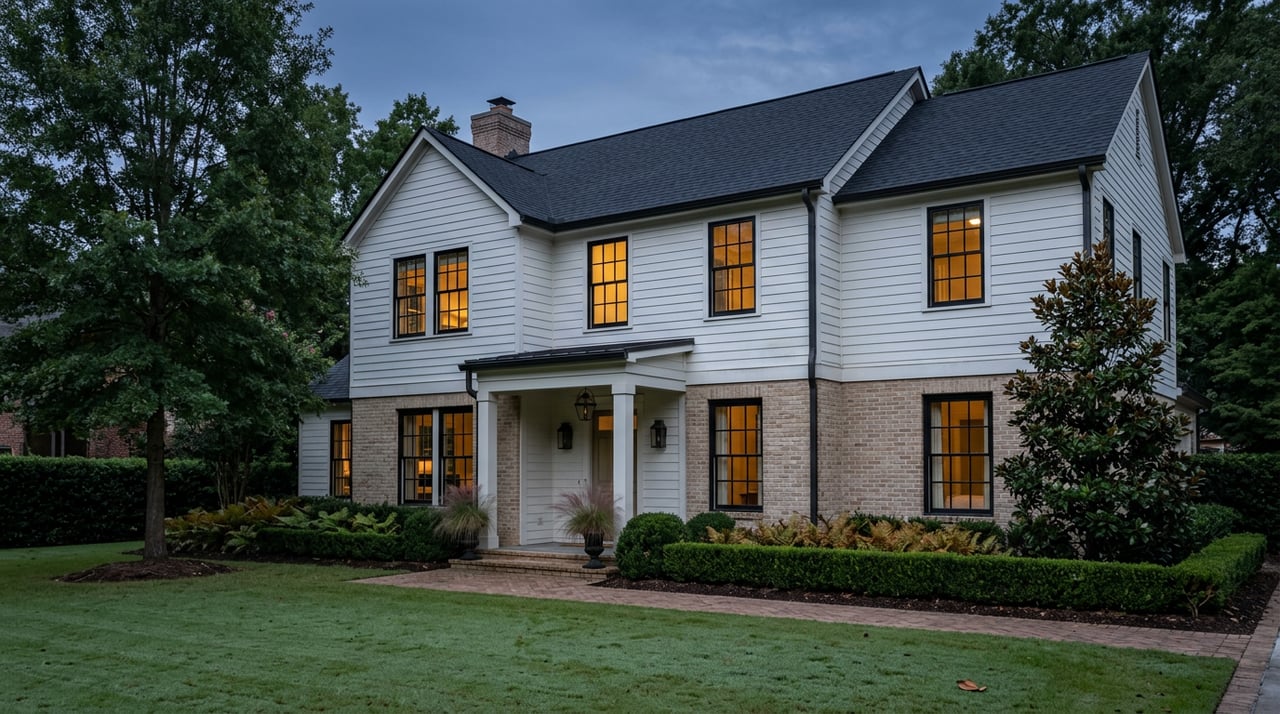
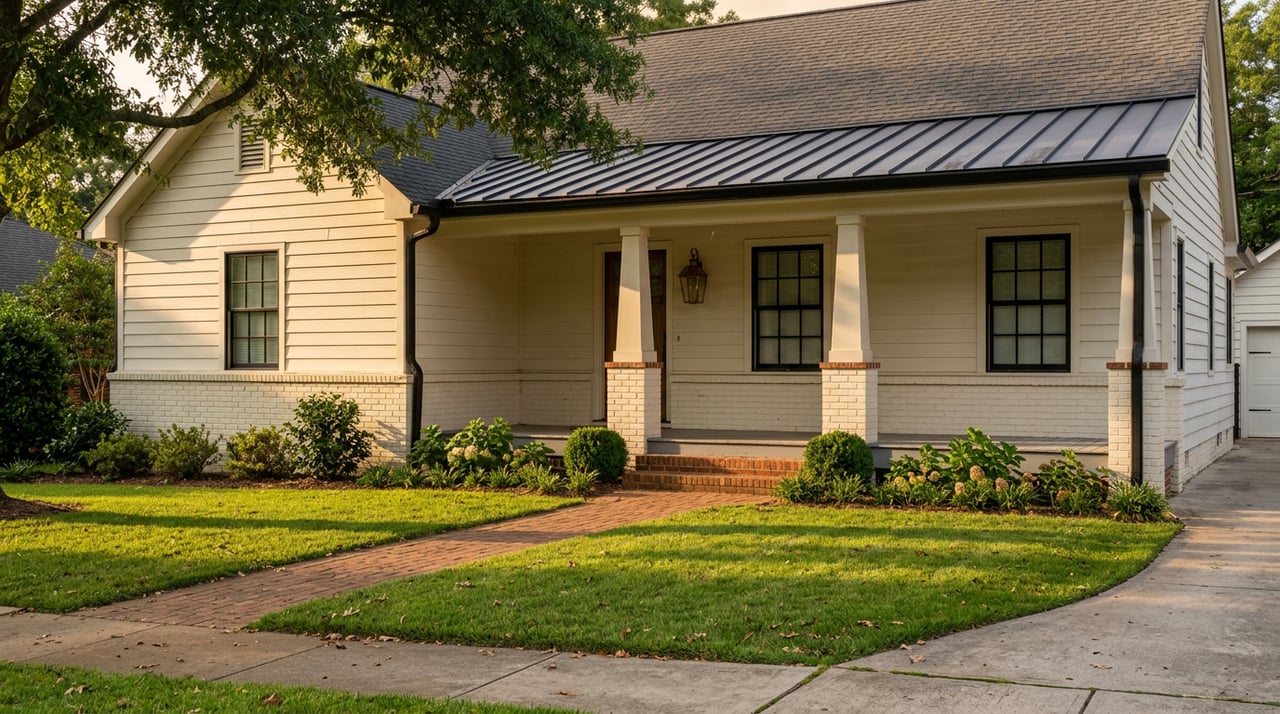
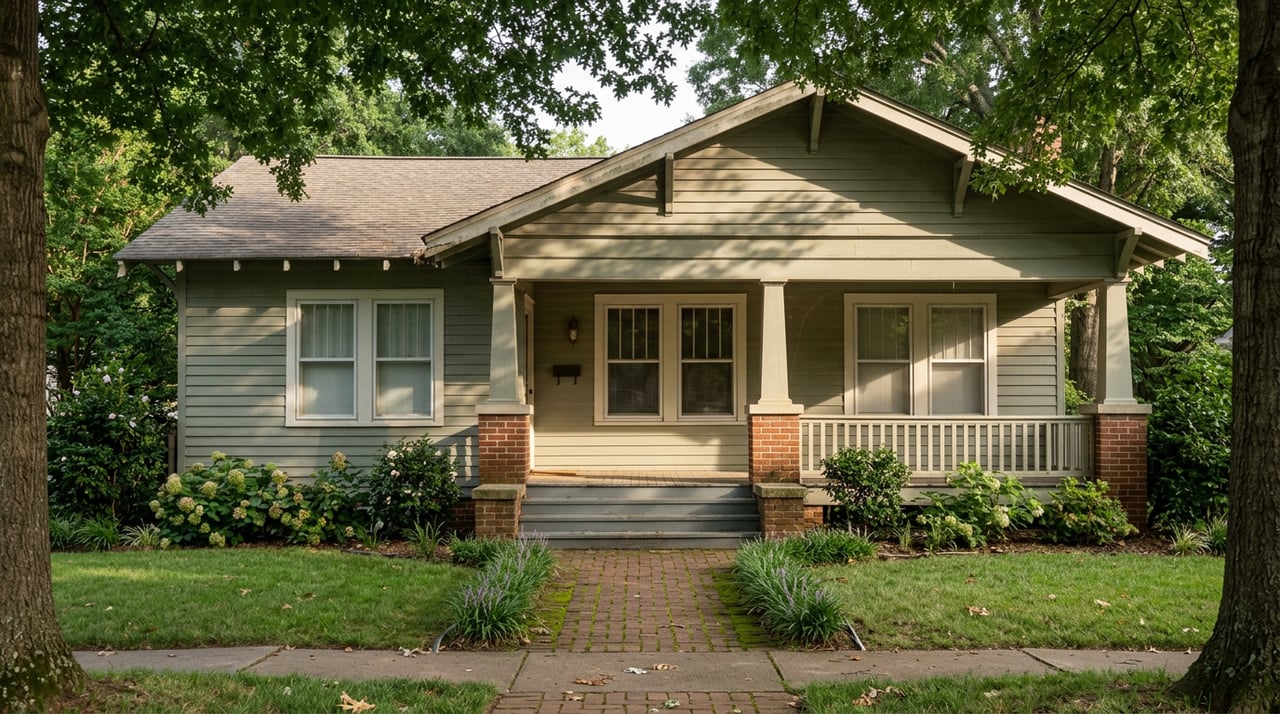
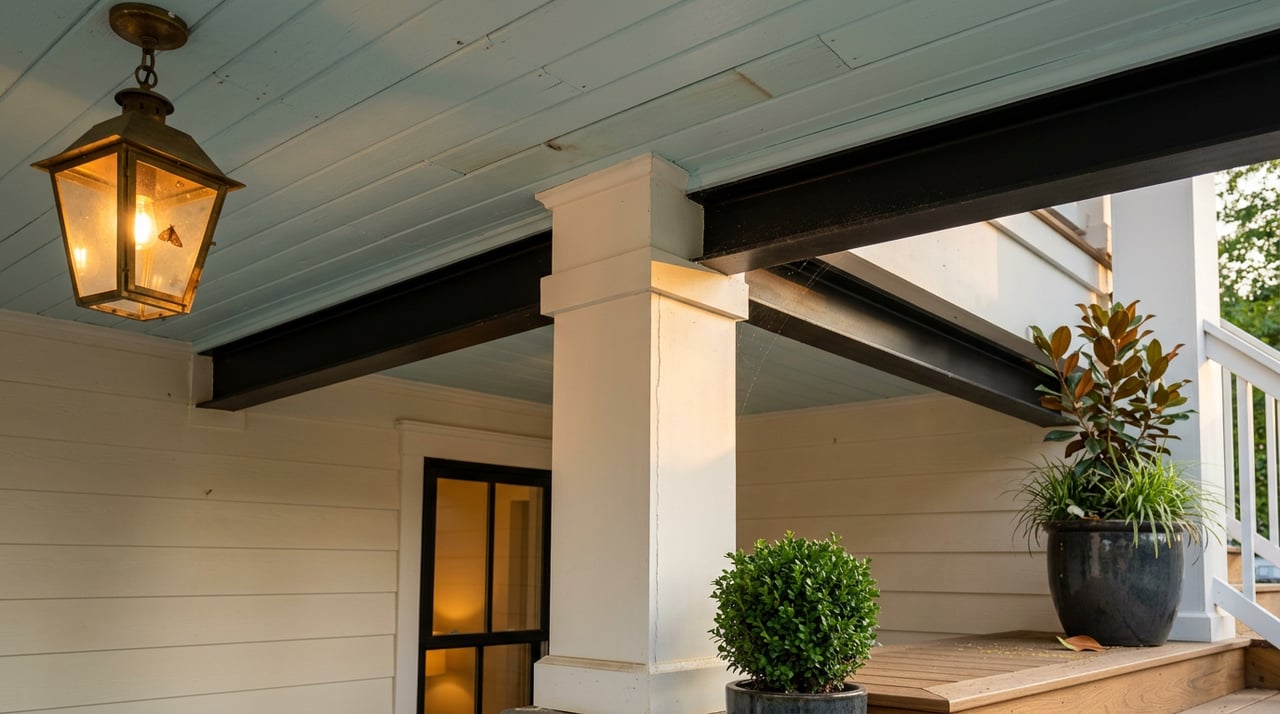
Exterior presentation matters because buyers see your home online first and then from the street. NAR identifies curb appeal as one of the most common seller recommendations, which makes sense since the exterior sets expectations for the rest of the showing.
In Apex, yard cleanup can be easier to schedule because the town provides weekly curbside yard waste collection, with pickup the business day after garbage and recycling. That gives you a practical way to trim shrubs, remove branches, clear storm debris, and tidy up before photos or an open house.
Your marketing is only as strong as your visual presentation. NAR reports that listing photos are highly important to buyers’ agents, and videos and virtual tours also carry weight.
That is why photography should be treated as a core launch step, not an extra. If your home looks polished online, you are more likely to earn clicks, save requests, and showing appointments.
Buyers who like what they see online expect the in-person experience to match. Consistency between your photos and your showings helps build trust and keeps momentum going after launch.
In North Carolina, most residential sellers must provide a residential property disclosure statement and an owners’ association and mandatory covenants disclosure statement. State law says these disclosures must be delivered no later than when the buyer makes an offer, and there can be a limited buyer cancellation right if they are not delivered on time.
These disclosure forms can cover major systems and conditions such as water and sewer, roof, foundation, structural components, plumbing, electrical, HVAC, insect damage, zoning or land-use restrictions, and environmental items. If your property is in an HOA or similar community, the disclosure also needs to identify items such as dues, approved special assessments, pending lawsuits, and transfer fees.
North Carolina real estate guidance also emphasizes the importance of material facts, which are facts that could affect a reasonable person’s decision about a property. Gathering documents early makes it easier to answer questions clearly and avoid last-minute stress.
Homes built before 1978 can involve additional lead-based paint disclosure requirements. If that applies to your home, make sure known information, available records, and the required materials are ready before listing activity begins.
If you have added or changed features over the years, now is the time to review the paperwork. Apex’s permitting and inspections pages show that projects such as additions, alterations, accessory structures, retaining walls, decks, fences, and pool or spa work are regulated and reviewed.
That does not mean every past project is a problem. It does mean buyers may ask whether work was properly permitted and finalized, so having those records organized can support a cleaner transaction.
Once your listing is live, showing readiness becomes part of your daily routine. A clean system can reduce stress and help you leave the house quickly when appointments pop up.
NAR’s showing guidance recommends clearing counters, wiping surfaces, hiding valuables and medications, securing firearms, opening window treatments, turning on lights, taking pets with you, and keeping exterior pathways clear. These are small steps, but together they create a better buyer experience.
Selling a home is not just about putting it online. In Apex, where buyers have many homes to compare, the biggest advantage often comes from how well your prep, disclosures, staging, photography, and launch timing work together.
A structured, full-service approach can help you stay ahead of details instead of reacting to them. That may include coordinating vendors, managing staging, organizing property information, and making sure your home reaches the market in a clean, polished, and consistent way.
For many sellers, that support matters just as much as pricing strategy. When the process is clear, you can focus on your move while your listing team handles the moving parts.
If you are planning to sell in Apex, the best first step is a clear prep plan tailored to your home, your timeline, and your goals. When you’re ready for expert guidance, local market insight, and hands-on listing support, connect with Sold By Starkey.
Stay up to date on the latest real estate trends.



The Sold by Starkey team knows how to navigate the Triangle area real estate market like no other. We have firsthand, local expertise on how and where to find the best available homes—which may be why our listings only spend an average of nine days on the market, a statistic well below the Triangle average.